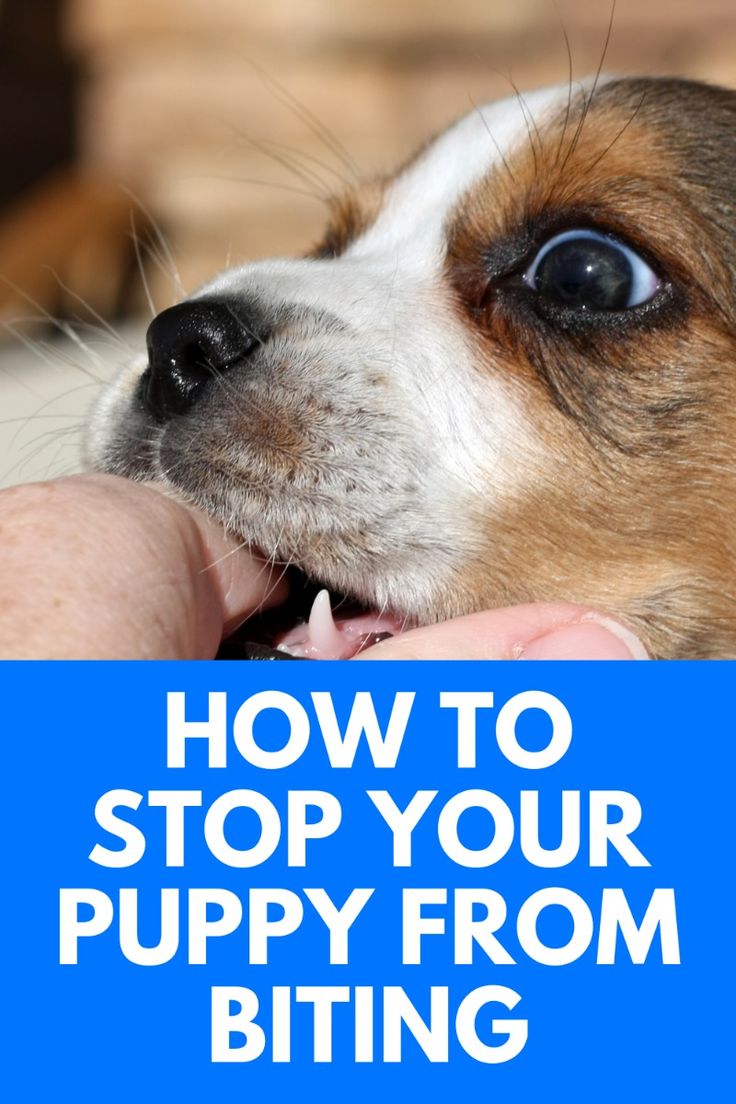
Introduction: Understanding Your Biting Puppy
That adorable little bundle of fur just sank their needle-sharp teeth into your hand—again. If you’re wondering how to train a puppy to stop biting, you’re not alone. This behavior, while frustrating, is 100% normal. Puppies explore the world with their mouths, much like human babies use their hands. They bite during play, when teething, and to test boundaries. However, teaching them appropriate manners isn’t just about saving your fingers; it’s a critical safety lesson known as “bite inhibition” that ensures your dog grows into a gentle, safe companion. This guide will walk you through a complete, positive, and effective strategy to curb puppy biting, transforming your playful shark into a polite family member.
Why Do Puppies Bite? The Root Causes
Before we dive into the training, understanding the why is crucial for addressing the how. Puppy biting isn't an act of aggression; it's a form of communication and exploration.
- Teething (3-6 months): Just like human infants, puppies experience discomfort as their adult teeth push through the gums. Chewing and biting alleviate this pain.
- Play and Social Learning: Puppies play with their littermates by biting and wrestling. They learn bite inhibition when a sibling yelps and stops playing. They’re trying to play with you the same way.
- Overstimulation & Overtiredness: Puppies have limited self-control. A long play session or a busy environment can lead to a “zoomies”-like state where they start biting anything that moves.
- Boredom & Seeking Attention: A puppy with pent-up energy will find a way to release it, and nipping at your ankles is a surefire way to get a reaction.
- Exploration: Puppies use their mouths to learn about texture, taste, and their environment.
Understanding these triggers helps you address the underlying need, not just the symptom, making your puppy biting training far more successful.
Foundational Principles for Success: The Mindset
Your approach is everything. These core principles form the bedrock of all effective puppy obedience training.
- Positive Reinforcement is Key: Reward what you want. Calm behavior, chewing on a toy, and gentle licks get treats and praise. This builds a clear picture for your puppy of what earns good things.
- Consistency is Non-Negotiable: Every person in the household must follow the same rules. If one person allows hand-nibbling and another doesn’t, the puppy is just confused. Avoid inconsistency at all costs.
- Patience & Realistic Expectations: This is a process that takes weeks, sometimes months, especially through the teething phase. Setbacks are normal. Celebrate small victories.
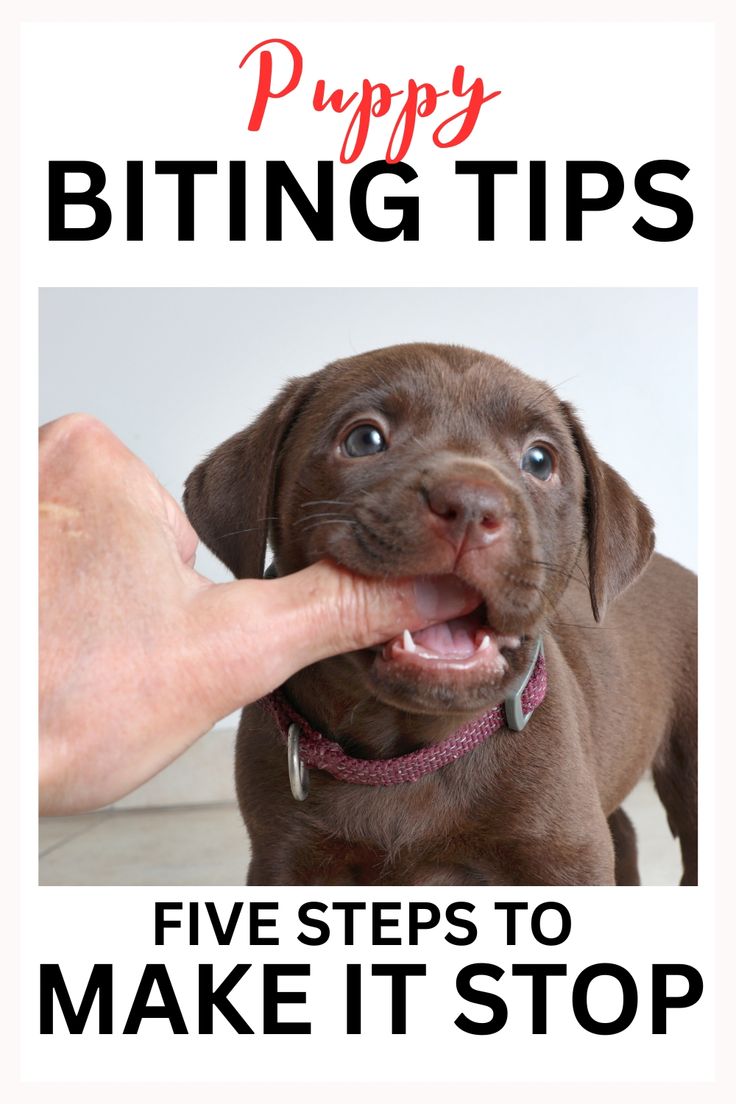 Image Created by Pinterest
Step-by-Step: How to Train a Puppy to Stop Biting
This multi-step method combines classic bite inhibition teaching with modern, force-free techniques.
Step 1: Teach Bite Inhibition – The “Yelp and Stop” Method
Bite inhibition is the single most important lesson. It teaches your puppy to control the force of their bite, not necessarily to never put their mouth on you.
- Initiate Gentle Play: Use your hands to play calmly with your pup.
- React to Pressure: The moment you feel a bite that’s more than a gentle mouthing—a hard press—let out a high-pitched, startled “OW!” (Imitating a littermate’s yelp).
- Immediately End Play: Stand up, remove your hands, turn your body away, and disengage completely for 10-15 seconds. No talking, no eye contact.
- Reset & Repeat: After the short pause, calmly resume play. If they bite hard again, repeat the “Ow!” and disengage. If they are gentle, praise and continue. This teaches: “Hard bite = fun ends. Soft mouth/lick = fun continues.”
Step 2: The Power of Redirection
Puppies need to chew. Your job is to direct that need onto appropriate items. Always redirect biting to appropriate chew toys.
- Have Toys Handy: Keep a stash of chew toys in every room.
- The Swap: When your puppy goes for your hand, clothing, or furniture, calmly say “Oops!” or “Ah-ah,” pause their motion, and immediately present a compelling toy. The moment their mouth is on the toy, enthusiastically praise them.
- Make Toys Exciting: Wiggle a rope toy or squeak a plush toy to make it more interesting than your sock.
Step 3: Using Time-Outs Calmly and Effectively
For the overexcited puppy who ignores yelps and redirection, a brief time-out is a powerful, non-punitive tool. Use short time-outs to calm overexcited puppies.
- The “Pen” or “Room” Method: Have a safe, puppy-proofed area (playpen, bathroom) set up with a bed and water, but no toys for this purpose.
- The Calm Disconnect: After a hard bite or a biting frenzy, say calmly, “Too bad,” pick them up (if safe) or lead them, and place them in the time-out area.
- Keep it brief: The timeout is 30-60 seconds—just long enough for them to calm down. It’s not a punishment; it’s a consequence: “Biting means I get removed from the fun.”
- Quiet Release: Let them out only once they are calm and quiet. Resume activity neutrally.
Step 4: Manage Energy and Environment
A tired, stimulated puppy is a well-behaved puppy. Provide exercise + mental stimulation to reduce biting.
- Adequate Exercise: Ensure your pup gets age-appropriate physical activity through walks, fetch, or controlled play.
- Mental Enrichment: This is often the missing piece. Use food puzzles, snuffle mats, training sessions, and “find it” games to tire their brain. A mentally exhausted puppy is less likely to be a land shark.
- Enforce Nap Times: Overtired puppies are bitey puppies. Puppies need 18-20 hours of sleep per day. Use a crate or quiet room to enforce regular naps.
Step 5: Reward Calmness and Alternative Behaviors
Use positive reinforcement — reward calm behavior and toy chewing.
- Capturing Calm: When your puppy is lying down quietly or chewing their own toy, walk over and gently drop a treat between their paws. You’re reinforcing that being calm pays off.
- Train an Incompatible Behavior: Teach a command like “sit” or “touch” (nose to hand). When they get mouthy, ask for the known behavior and reward it generously. They can’t bite your hand while they’re targeting it with their nose.
Expert Tips and Common Mistakes to Avoid
Pro Tips:
- Squeaky Toy Alternative: If saying “Ow” seems to excite your puppy more, try a low, stern “Oops” or a gasp instead. Disengaging is the key part.
- Soak and Freeze Chew Toys: For teething puppy tips, soak a rope toy or a hard rubber toy in low-sodium broth or water, then freeze it. The cold soothes their gums.
- Socialize Safely: Playdates with vaccinated, gentle adult dogs are gold. They will teach your puppy manners far more efficiently than we can.
- Hand-Feeding: Feed part of their meals by hand during calm moments to build a positive association with your hands near their mouth.
Common Mistakes (What NOT to Do):
- Avoid Physical Punishment or Rough Hand-Play: Never hit, tap noses, hold mouths shut, or alpha roll your puppy. This breeds fear, can lead to defensiveness, and damages your bond. It also teaches them that hands are scary.
- Don’t Jerk Hands Away: This can turn into an exciting chase game. Move your hand toward the bite briefly (making it less fun) or go limp, then disengage.
- Don’t Wear the Puppy Out with More Play: An over-aroused puppy will bite more. Recognize the threshold and switch to calming activities or enforce a nap.
- Avoid Inconsistency: As stated, this is the downfall of many training plans. Ensure all family members are on the same page.
Conclusion
Learning how to train a puppy to stop biting is a journey of patience, consistency, and understanding. By combining bite inhibition lessons, smart redirection, management of their energy, and heaping doses of positive reinforcement, you’re not just stopping unwanted nipping. You are building a foundation of trust and communication with your dog, teaching them to be gentle and making them a safer, happier member of your family for years to come. Start today, stay consistent, and remember—this sharp-toothed phase will pass.
Frequently Asked Questions (FAQs)
Q: At what age should my puppy stop biting?
A: Mouthing decreases significantly after the teething phase ends (around 6 months). However, polite behavior (no hard biting) should be taught from day one and reinforced for life.
Q: What if the “Ow!” makes my puppy bite more?
A: Some puppies get more aroused by the high-pitched sound. Switch to a low, calm “Oops” or a simple disengagement without the sound. The key is the immediate withdrawal of attention.
Q: Is it okay to let my puppy mouth my hand gently?
A: This is a personal choice. Many experts recommend a “zero tolerance” policy for any mouth-on-skin to avoid confusion. Others allow very gentle mouthing if the puppy self-moderates pressure. If you allow it, the instant it gets hard, follow the yelp/stop protocol.
Q: My puppy bites my ankles and feet when I walk. What should I do?
A: This is classic herding/play behavior. Stop moving immediately (freeze). Use a toy to redirect them away from your feet, or ask for a “sit.” Reward heavily when they comply. Carrying a toy on walks at home can be a great distraction.
Q: Should I use bitter spray on my hands?
A: Not recommended. It can damage trust and isn’t teaching an alternative behavior. It’s better to manage the environment and teach them what to chew.
Q: When should I be concerned about puppy biting?
A: True aggressive biting is rare in puppies. However, consult a certified professional dog trainer or veterinary behaviorist if your puppy growls or bites with intensity when being handled (like for grooming), seems to be resource guarding, or if the biting is accompanied by stiff body language and no playful “bows.”